
Your Recovery Matters
Where modern postpartum care meets thousand-year Asian traditions — because no new parent should recover alone.
The Fourth Trimester
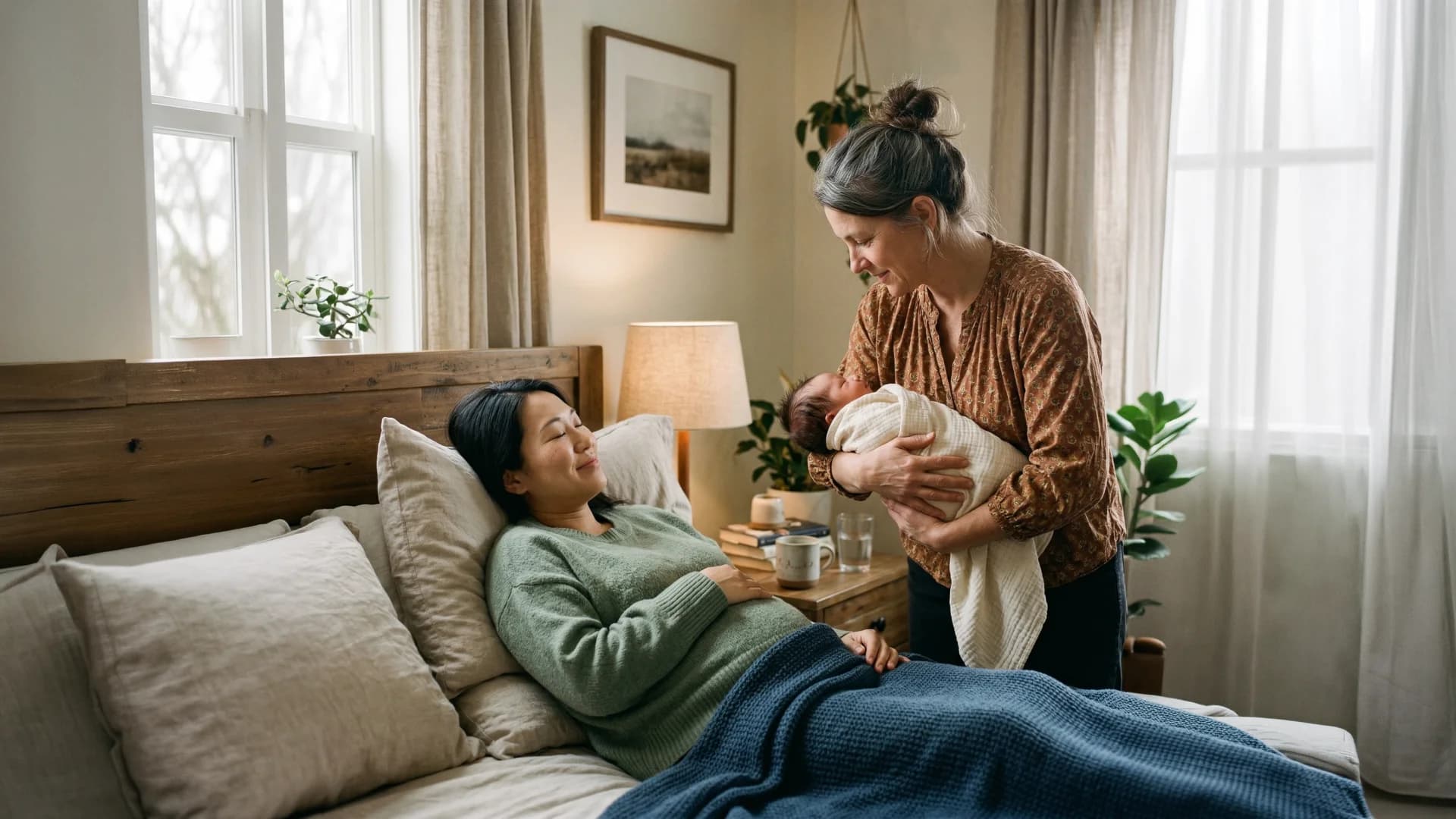
You come home from the hospital. The car seat feels impossibly heavy. Your body aches in ways no one warned you about. The baby is crying, and you realize that all the preparation in the world — the nursery, the registry, the birth plan — didn’t prepare you for this moment: the quiet overwhelm of being home, being responsible, being utterly exhausted.
Your partner does their best. Your mother calls. Friends text congratulations. But between the midnight feedings and the uncertainty, you wonder: is this just how it is? Is this something I’m supposed to figure out alone?
In Asian cultures, the answer has always been no.
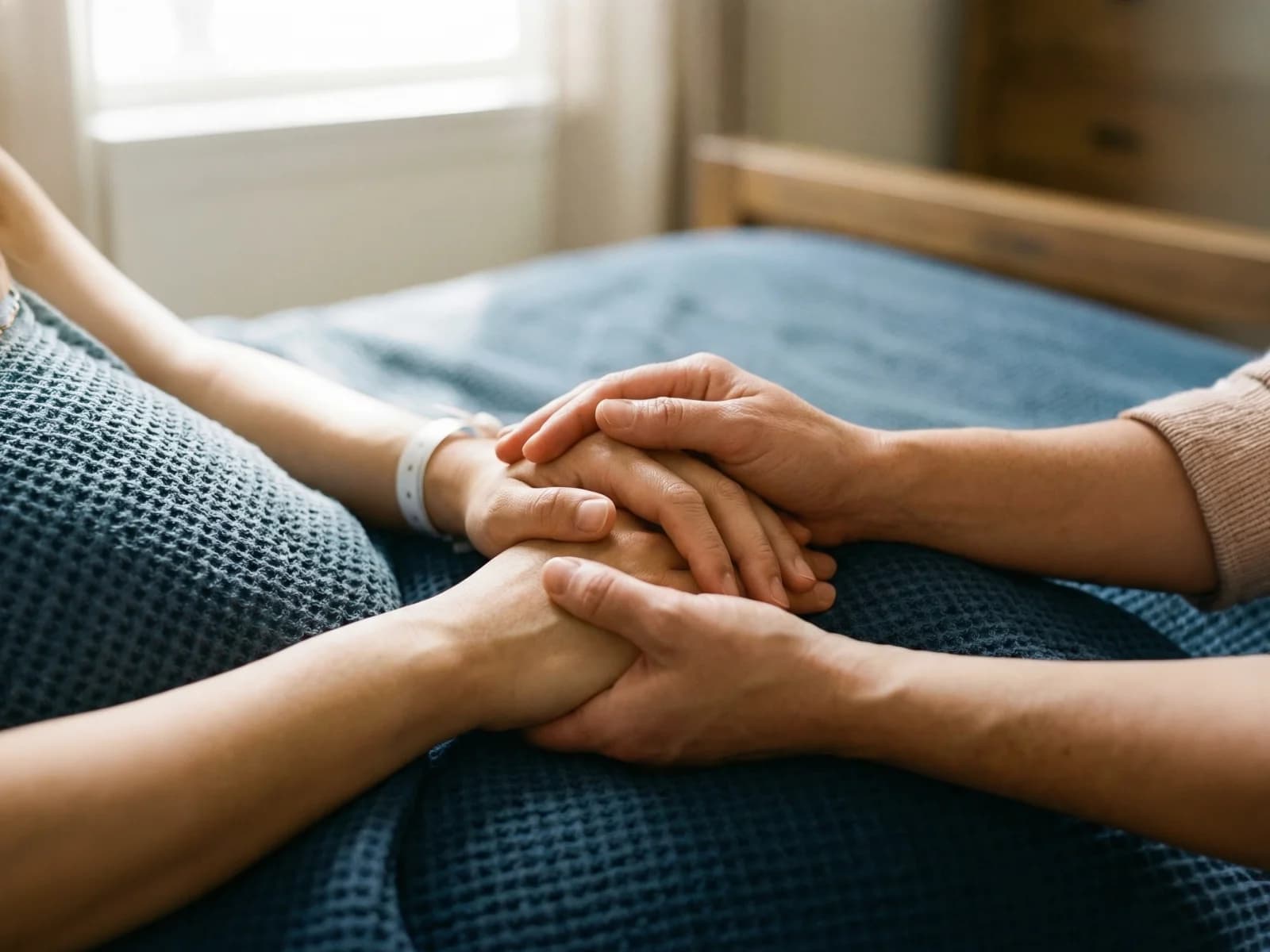
For thousands of years, Asian families have recognized that the weeks after birth are not just about the baby — they are about the mother. A dedicated period of rest, nourishment, and supported recovery. This is the tradition that ADA brings into your home.
A Tradition Older Than Modern Medicine
Across Asia, postpartum recovery isn’t a suggestion — it’s a practice woven into the fabric of family life.
Chinese
Zuo Yuezi (坐月子)
For thousands of years, Asian families have recognized that the weeks after birth are not just about the baby — they are about the mother. A dedicated period of rest, nourishment, and supported recovery. This is the tradition that ADA brings into your home.
Korean
Sanhujori (산후조리)
For thousands of years, Asian families have recognized that the weeks after birth are not just about the baby — they are about the mother. A dedicated period of rest, nourishment, and supported recovery. This is the tradition that ADA brings into your home.
Japanese
Satogaeri (里帰り)
For thousands of years, Asian families have recognized that the weeks after birth are not just about the baby — they are about the mother. A dedicated period of rest, nourishment, and supported recovery. This is the tradition that ADA brings into your home.
In the United States, 1 in 7 mothers experience postpartum depression. Studies show that continuous doula support significantly reduces this risk. The science is confirming what Asian families have known for millennia: dedicated postpartum care isn’t a luxury — it is a necessity.
What a Doula Actually Does
Forget the vague promises of “culturally competent care.” Here is what an ADA-certified doula brings into your home, day by day.
Recovery Meals
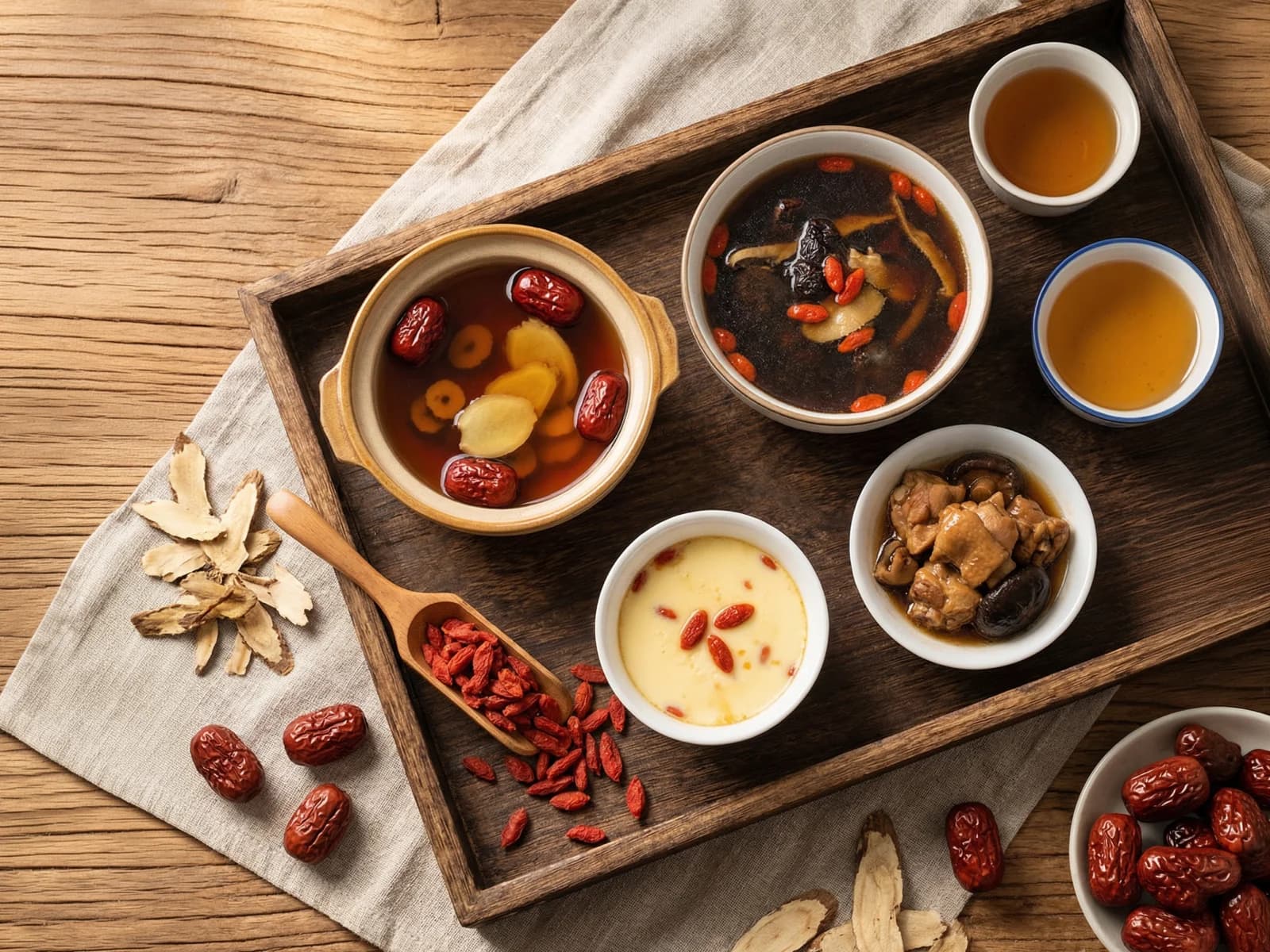
Traditional postpartum meals prepared daily — warming soups, herbal teas, and nutrient-dense dishes that support recovery.
Newborn Care
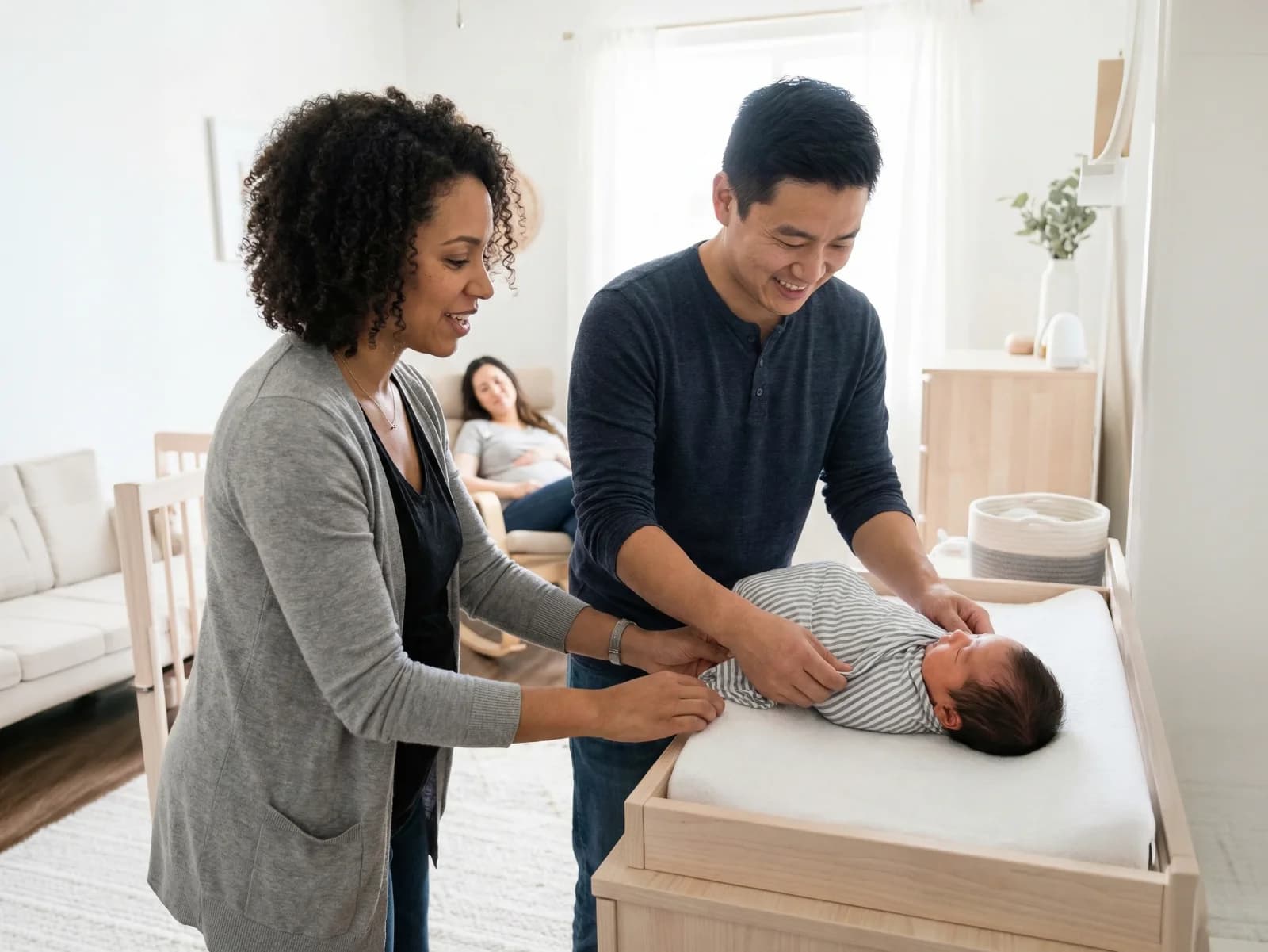
Bathing, feeding, soothing, and safe sleep — overnight support so parents can rest with peace of mind.
Mom's Physical Recovery
Assessment of healing, gentle exercises, and culturally appropriate recovery practices tailored to your body.
Emotional Support
Active listening, normalization of postpartum feelings, and early recognition of when to connect you with a professional.
Family Bridge
Bridging traditional wisdom from grandparents with modern medical guidance so the whole family is on the same page.
Breastfeeding Support
Latch assessment, positioning, troubleshooting common issues, and knowing when to escalate to a lactation consultant.

Not Just for Asian Families
“Do I need to be Asian to benefit from an ADA-certified doula?”
No. The principles behind dedicated postpartum recovery — rest, nourishment, emotional support, expert newborn care — are universal. ADA-certified doulas serve families of all backgrounds, adapting care to your specific needs and household.
The tradition is the root. The care is for everyone.
Insurance & Coverage
ADA-certified doula services are recognized by major insurance providers. FSA/HSA eligible.
How to Check Your Coverage
- Call member services on the back of your insurance card.
- Ask if your plan covers postpartum doula services.
- Mention certification by the Asian Doula Alliance (ADA).
- Ask about pre-authorization requirements or visit limits.
Learn More
Where modern postpartum care meets thousand-year Asian traditions — because no new parent should recover alone.
Learn More →Find a Doula
Where modern postpartum care meets thousand-year Asian traditions — because no new parent should recover alone.
Find a Doula →Verify Now
Where modern postpartum care meets thousand-year Asian traditions — because no new parent should recover alone.
Verify Now →Let's Connect and Support Families Together!
Whether you're interested in becoming a certified doula, looking for postpartum support, or want to learn more about our programs, we'd love to hear from you.